How to Apply for a Mudra Loan in India

How to Apply for a Mudra Loan in India
How to Apply for a Mudra Loan in India is a common question among entrepreneurs seeking finance to start or expand a small business. The Pradhan Mantri MUDRA Yojana (PMMY) helps eligible micro-enterprises access collateral-free institutional credit through participating lenders.
The scheme supports income-generating businesses in manufacturing, trading, services and specified agriculture-allied activities. Financing may be used for equipment, business expansion or working capital.
Although the maximum loan limit is ₹20 lakh, not every applicant qualifies for that amount.
Mudra Loan Categories and Limits
The Department of Financial Services specifies four categories:
| Category | Loan amount |
|---|---|
| Shishu | Up to ₹50,000 |
| Kishore | Above ₹50,000 to ₹5 lakh |
| Tarun | Above ₹5 lakh to ₹10 lakh |
| Tarun Plus | Above ₹10 lakh to ₹20 lakh |
Tarun Plus is available to entrepreneurs who previously obtained and successfully repaid a Tarun-category loan. This additional category was introduced in October 2024.
The final sanctioned amount depends on the borrower’s business requirements, repayment capacity and the lender’s assessment.
Who Is Eligible for a Mudra Loan?
PMMY is intended for eligible micro-businesses undertaking income-generating activities.
Examples include tailoring units, retail shops, repair services, food-processing businesses, dairy enterprises and poultry operations.
Both new and existing eligible businesses may approach participating lenders.
However, ordinary crop cultivation loans are not the scheme’s principal purpose. Applicants should confirm whether their proposed business activity qualifies.
A realistic business plan, accurate financial information and the ability to repay are important considerations.
How to Apply for a Mudra Loan in India: Step-by-Step Process
Step 1: Calculate Your Funding Requirement
Estimate the amount required for machinery, equipment, inventory or working capital.
Separate essential expenses from optional spending. Choose the loan category that matches your actual business needs rather than automatically requesting the maximum available amount.
Step 2: Choose a Participating Lender
Mudra loans are available through participating banks, regional rural banks, small finance banks, NBFCs and microfinance institutions.
Visit an authorised lender’s branch or official website to confirm its PMMY application procedure.
Some lenders provide digital application facilities, while others require branch-based documentation.
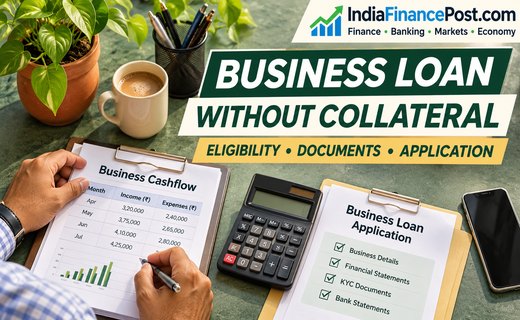
Step 3: Prepare the Required Documents
Depending on the lender, applicants may need:
- Identity and address proof, including applicable PAN details.
- Business address and activity information.
- Recent bank statements and financial records.
- Equipment quotations or estimates for proposed expenditure.
- Applicable business registrations and a basic business plan.
The exact checklist depends on the lender, business structure and requested loan amount.
Step 4: Submit the Application
Complete the lender’s prescribed PMMY application form.
Provide accurate information about the enterprise, borrowing requirement, income and existing liabilities.
Submit the documents through the lender’s authorised online or branch-based channel.
Keep the application acknowledgement or reference number for follow-up.
Step 5: Complete Verification and Review the Offer
The lender may examine business viability, credit history and repayment capacity before making a lending decision.
Approval is not automatic simply because an enterprise falls within an eligible business category.
If approved, review the sanction letter carefully before accepting the loan.
Mudra Loan Interest Rates and Repayment
There is no single interest rate applicable to every Mudra borrower.
Rates, repayment periods and permitted charges depend on the participating lender and loan terms.
PMMY provides collateral-free credit, but borrowers remain responsible for repaying the loan.
Before accepting an offer, calculate whether expected business cash flow can comfortably support the instalments.
Common Mistakes to Avoid
Avoid agents promising guaranteed approval or demanding unofficial advance payments.
Do not exaggerate business turnover, conceal existing debts or submit inaccurate documents.
Borrowing more than necessary can increase financial pressure, even when collateral is not required.
Entrepreneurs planning a new venture can also read our guide to starting a business in India.
Conclusion
Mudra loans can help eligible Indian micro-enterprises access formal business finance without collateral.
Applicants should choose the appropriate category, prepare accurate documentation, approach an authorised lender and review all repayment conditions.
The ₹20 lakh ceiling provides additional borrowing scope for qualifying repeat borrowers, but actual loan approval remains subject to lender assessment.
Disclaimer: This article is for general educational purposes and does not constitute financial advice. Verify current eligibility, interest rates, charges and application requirements directly with the participating lender.